
Restoring the Patient-Clinician Relationship to the Center of Care
The next evolution of patient experience will not be defined by more digital touchpoints. It will be defined by giving nurses and care teams the capacity to be fully present.
The next evolution of patient experience will not be defined by more digital touchpoints. It will be defined by giving nurses and care teams the capacity to be fully present.

Early experience and comfort with AI benefits everyone. Nurses who understand how to work alongside technology are better equipped to deliver high-quality care, adapt to new systems, and navigate increasingly complex clinical environments.


Veradigm examines key clinical trends, comorbidity profiles, and treatment trends across adolescence, reproductive years, and peri-/post-menopause. Download it today!

The decision to eliminate nursing and PA degrees from ‘professional degree’ status isn’t just a financial policy choice; it’s a workforce policy choice. And, unfortunately, it’s moving in the wrong direction at the worst possible time.

For nursing to shape its future in an AI-driven world, its leaders and practitioners must be present, informed, and engaged in every step of its development and deployment.

We must continuously improve our education system, spanning from classroom to continued education, with vetted techniques that acknowledge the chaos and complexity of the healthcare environment. Learning by doing — our version of emergency weather drills — must happen before the storm hits, not during it.

The healthcare field must come together to support all of us – experienced, new, and soon-to-become – nurses, as we navigate the shifting care landscape. Key lessons from the past can set the foundation for a future where nurses are supported throughout their careers.

Enterprise EHR boosts scalability, interoperability, and governance for large healthcare systems.
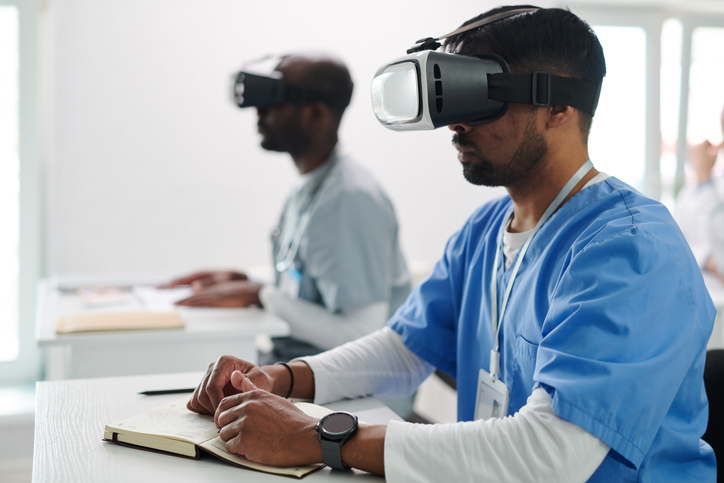
Leveraging technology as a force multiplier can significantly help nursing programs graduate more practice-ready nurses to care for patients in their communities.

Emphasize the development of team members of all roles with multiple options for various leadership interests.
There are some lingering misconceptions around the use of VR that are likely to give instructors pause when considering whether to add a VR component to the nursing curriculum. This article addresses five common misconceptions about immersive VR simulations.
Immersive scenarios in VR allow nursing education programs to enhance and scale the hands-on experiences they provide learners for developing and practicing critical skills.


Discover the top AI-powered EAP providers for 2026. Compare platforms like Kyan Health and Spring Health on triage speed, global reach, and clinical quality to transform workforce wellbeing.

CommonSpirit Health has co-developed a nurse residency program with Dignity Health Global Education. The program, which is designed to increase nurse retention, comes at a time when turnover rates for newly graduated nurses are at an all-time high. Through the program, the partners are aiming to increase newly graduated nurse retention by at least 20% at CommonSpirit.
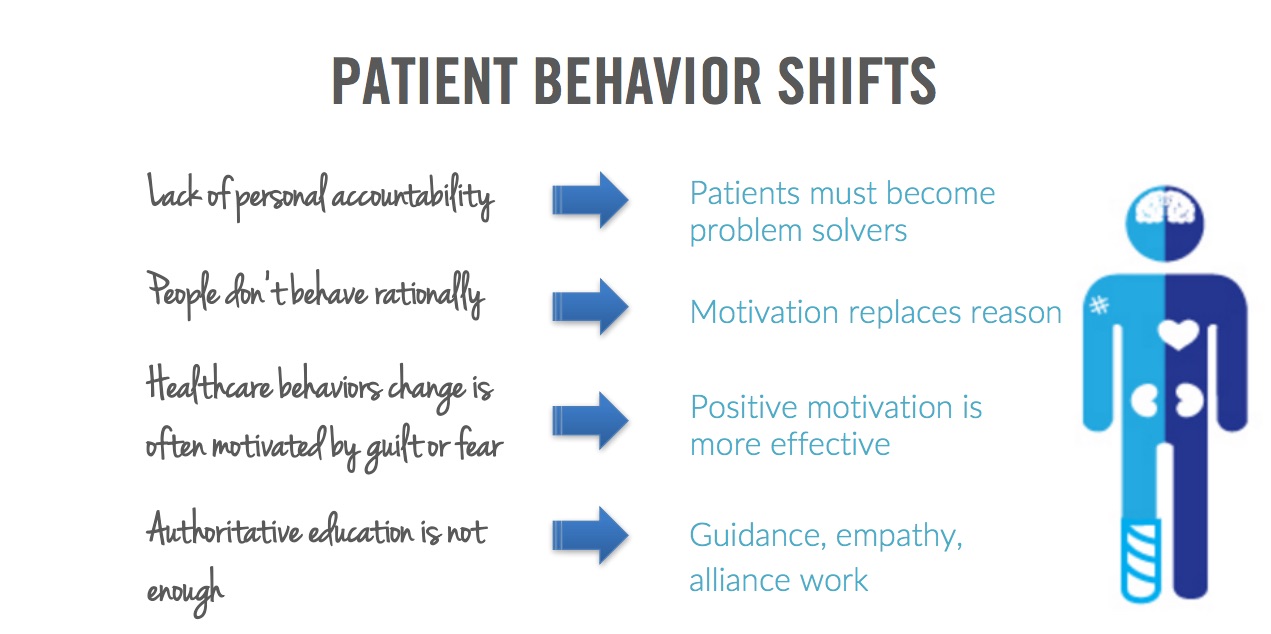
"We're trying to turn the key in the brain that changes motivations," said Maureen Glynn, senior director of research and compliance for Care Innovations.

The U.S. Bureau of Labor Statistics cited that ten of the 20 fastest growing occupations are healthcare related. Healthcare will generate 3.2 million new wage and salary jobs between 2008 and 2018, more than any other industry. Whether you are seeking higher education, or are healthcare executive – higher learning is a leading driver or […]